Modeling and Simulation

The Center for Transportation Analysis staff model a diverse array of phenomena from traffic flows to energy demand, from travel behavior to refinery operations. We have produced critical planning systems used every day by the U.S. Air Force to schedule and route airlift (CAMPS), and key components for the Department of Energy's National Energy Modeling System. We have designed and developed models for personal computers, mainframes and the internet, using a wide variety of languages and modeling tools.

Primary Contact:

Recent Work:

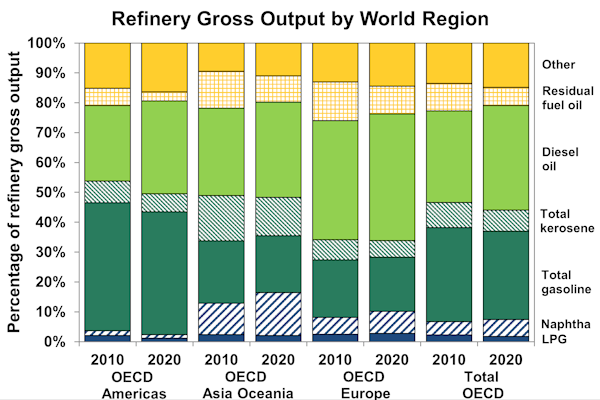
  • Refinery Operations
    • Refinery impacts of diesel fuel reformulation with vector-based blending.
    • Development of vector-based methodology for estimation of diesel fuel emissions of oxides of nitrogen and particulate matter.
    • Estimation of ethanol demand in United States regional production of oxygenate-limited gasoline.
    • Refinery and logistics impacts of a Renewable Fuels Standard.
    • Impacts of MTBE phase-out.
    • Impacts of Mobile Source Air Toxics rule.
    • Cost of benzene reduction in gasoline.
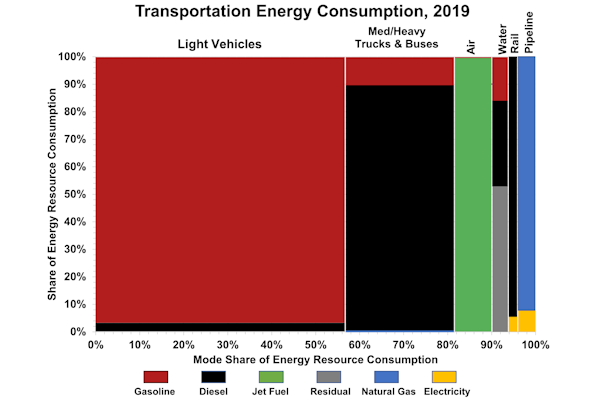
  • Motor Fuel Consumption Modeling
  • Temporary Loss of Highway Capacity
  • Assigned Freight Movement and Passenger Travel on Transportation Networks
  • Intermodal Bottleneck Evaluation Tool (IBET)
  • Emergency Evacuation Modeling

Selected Presentations

Highlights

New version of Freight Analysis Framework released
The U.S. Department of Transportation's Federal Highway Administration (FHWA) released its new version of the Freight Analysis Framework, the most comprehensive publicly available data set of freight movement. This tool is developed for FHWA by CTA.

Vehicle Technologies Program Fact of the Week
The Vehicle Technologies Program Fact of the Week provides statistical information on vehicle sales, fuel economy and transportation trends.

2012 Annual Fuel Economy Guide is released
DOE and EPA released the 2012 Fuel Economy Guide, providing consumers with information about estimated mileage and fuel costs for model year 2012 vehicles.

Transportation Energy Data Book: Edition 30 . . .
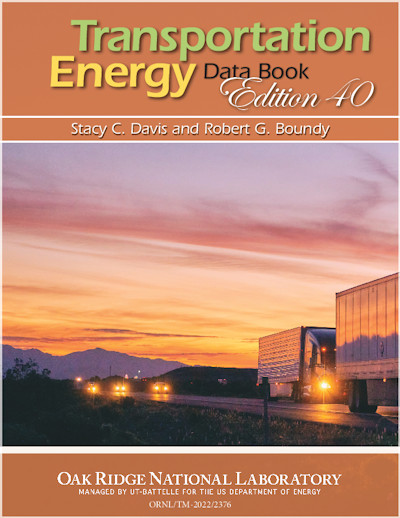
One of ORNL's most requested documents, this data book details transportation-related energy use in the U.S.